Field Note #1: Flourishing is Not Just About What We Reach For
What matters when success, representation, and survival are all pulling on us at once, and at a cost we rarely name?
Essays
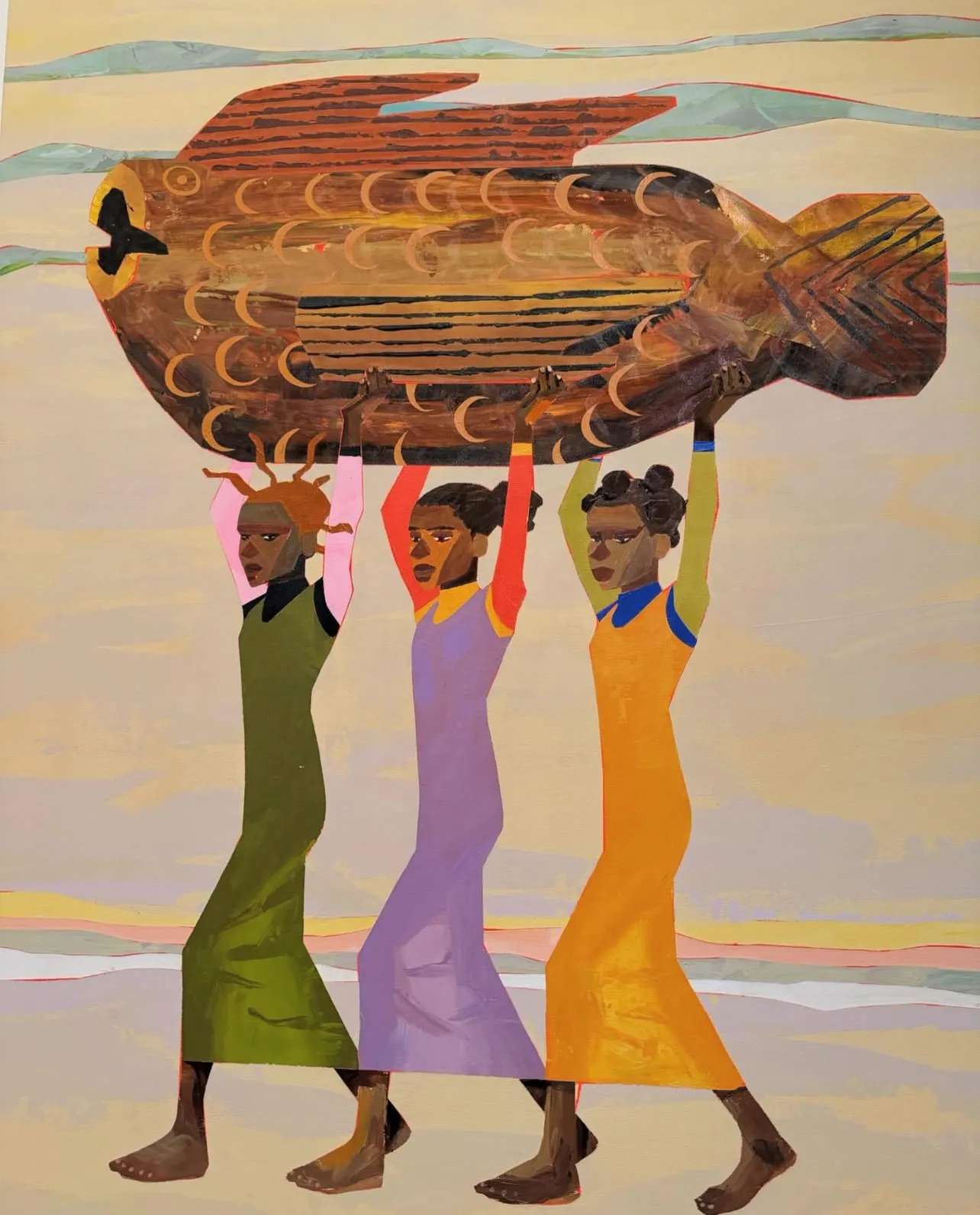
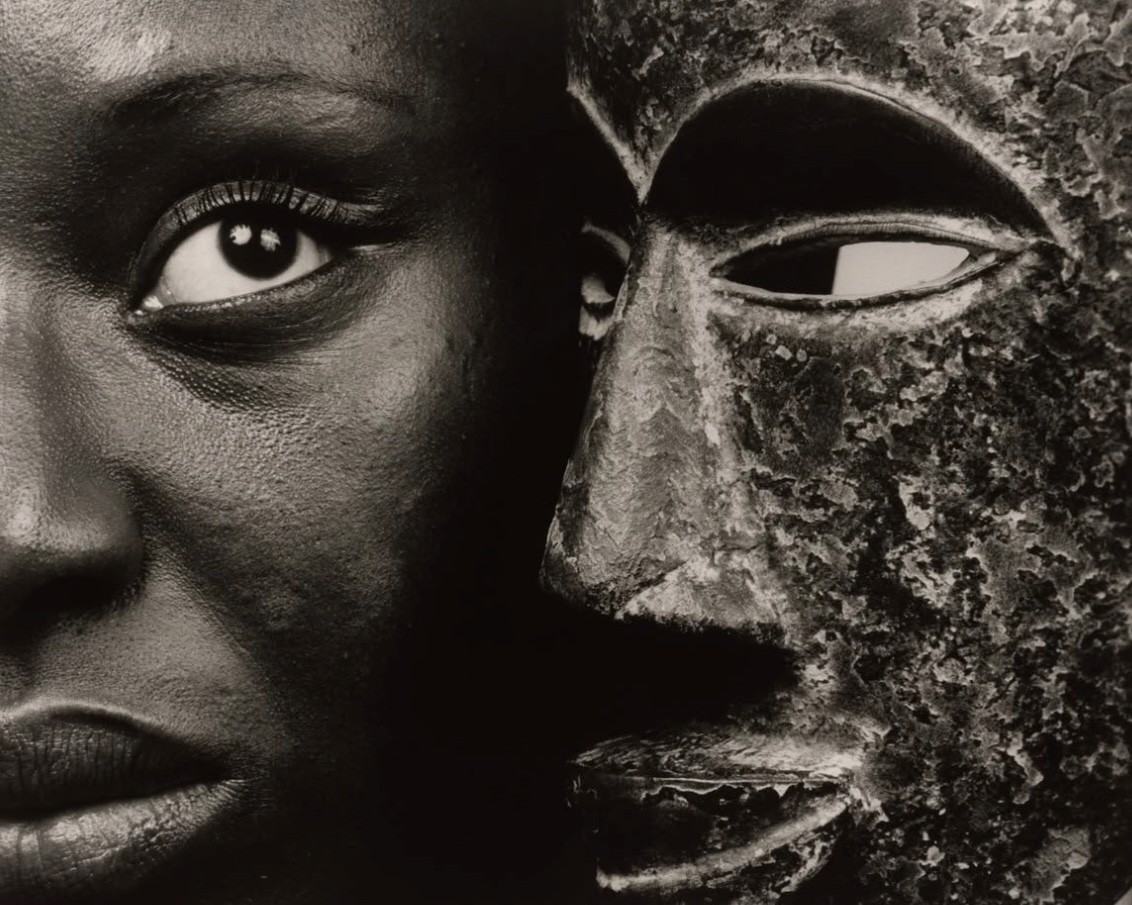
A note from the field: Flourishing is not just about what we reach for. It’s about what we can hold.
There is a particular kind of emptiness I have observed among many high-achieving Black people — those who have done exactly what they were supposed to do. They ticked the boxes. Got the credentials. Made the money. They are the first in their families to attend certain universities, hold certain titles, access certain rooms. Or they are the only — the only Black person in the boardroom, the only one in their cohort to build something from nothing, the only one still standing after the struggle.
By any measurable standard, they have succeeded. And yet…
There is a chronic numbness. A detachment from their own accomplishment. A sense of performing the role rather than inhabiting it. Some describe it as a dissonance: the life they’re living doesn’t match how they thought it would feel to be living it.
The victory feels hollow or fragile.
For many, this feeling persists quietly for years. It is ignored or mistaken for something else — depression, anxiety, burnout, lack of gratitude. And then, for some, there is a breaking. A sudden visibility of the fracture. A crash out that shocks everyone because from the outside, it looked like everything was working.
But the real crisis wasn’t the crash. It was the long, unexamined runway before it.
Here is what I think is happening: many of those entrusted with responsibility reached for things their inner architecture was never explicitly prepared to hold.
Their families, communities and workplaces saw in them a possibility — sometimes their own unrealised dreams, sometimes the embodiment of collective hope. You will go further. That became the mandate. And given the historical scarcity of access, of safety, of genuine opportunity, that urgency made sense. Move fast. Prove yourself. Get there before the door closes. Don’t waste the opening that was denied to others.
It seems to me that we are over-indexed on the symbolic weight of achievement, extracted value and proving something for the collective narrative. So we set people up to climb.
The reaching is cultivated. But the holding and flourishing are assumed.
When they “crash out”, they become cautionary tales instead of invitations to examine where the fragmenting began. We treat it as individual failure rather than as evidence that the conditions we created were insufficient.
Flourishing is not the same as succeeding.
Success can be achieved by reaching / climbing alone. But flourishing - the kind that lasts, that doesn’t hollow out from the inside, that can actually be sustained and shared -requires that your inner life, your meaning-making, your sense of self grow alongside your external reach.
This is a capacity question. And it is not new.
Across Black cultures, there have long been structures and practices designed around this very thing: rites of passage, initiation ceremonies, the role of elders and griots as wisdom-keepers who guided younger people not just toward achievement, but toward the inner development required to navigate complexity and hold responsibility, authority, and power wisely. These traditions existed for a reason. They understood something we seem to have forgotten: that reaching and holding are two different capacities, and both matter.
In a recent episode of Beyond the Self podcast, the Zimbabwean coach and writer Africa Brooke posed the question What if your imposter syndrome is correct?
As I listened, I did not hear an accusation. I heard a call for honest self-assessment. Not as a verdict on worth, but as a developmental question about readiness and capacity.
Ambition is not the problem. You are not wrong to strive and reach for greater heights. But, what if you sat with discomfort and that sense of being “in over your head” as your guide, not your enemy? What if you asked, honestly, “what is my inner architecture built to hold right now? What would I need to develop?”
What would it cost to slow down and check?
This cost is real. Momentum. Visibility. The fear of losing the ground you’ve gained. And that fear is not irrational. It’s historically grounded. Opportunities that took generations to access can close quickly. Doors that opened for you might not stay open. So the pressure to keep moving, to consolidate your gains, to never give anyone reason to question your worth or your place is rooted in something true.
But not taking perspective costs something too. It often costs presence. It costs coherence. It costs sustainability. Eventually, it can also cost your wellbeing.
For leaders and communities, it can cost a narrow definition of efficiency. It costs the convenience of extraction. But what it gains is wiser leadership and the possibility that those who rise actually stay standing and can become good stewards for others.
The developmental invitation is not to choose between reaching and holding. It is to grow your capacity to do both. When external complexity or responsibility increase, the question is not always about motivation or character. Greater visibility, influence and consequence place new demands on how we make decisions, regulate ourselves, and relate to power. If those internal capacities don’t grow alongside external success, strain is inevitable.
Those who carry a lot and do not hollow out are not the ones who stop reaching. They are the ones who, at some point, paused long enough to ask what they actually needed to hold the life and impact they were reaching for. And they did that work while they were still climbing, not after the crash.
That is a different kind of achievement entirely.
Let's turn the lens on you
Over the next few days or weeks, you might experiment with noticing where your inner capacity and your outer responsibilities may be out of sync.
The point is not self-critique.
The point is awareness.
Here are three questions you can ask yourself:
Where in my life or work has responsibility, visibility, or expectation grown faster than my sense of preparedness or internal authority?
What am I currently holding because it genuinely matters to me — and what am I holding because it feels required, symbolic, or expected?
If I imagined sustaining this pace, role, or level of responsibility for the next few years, what inner capacities would need strengthening for that to feel possible?